Have questions or need assistance? Contact our support team for personalized help and guidance.
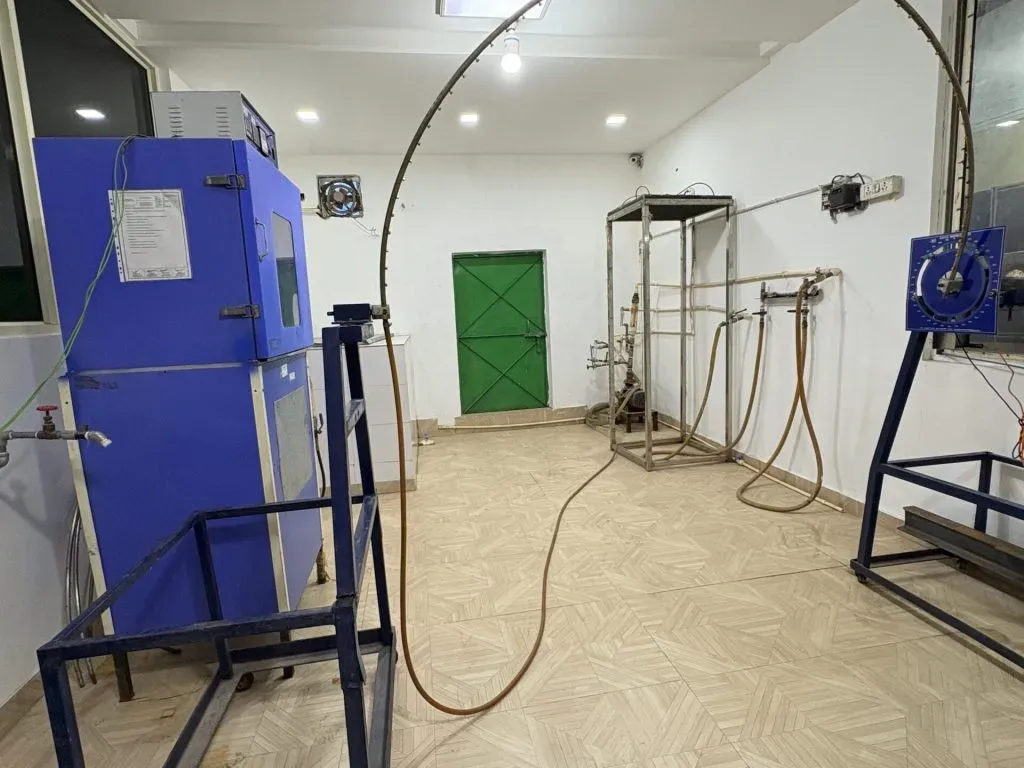

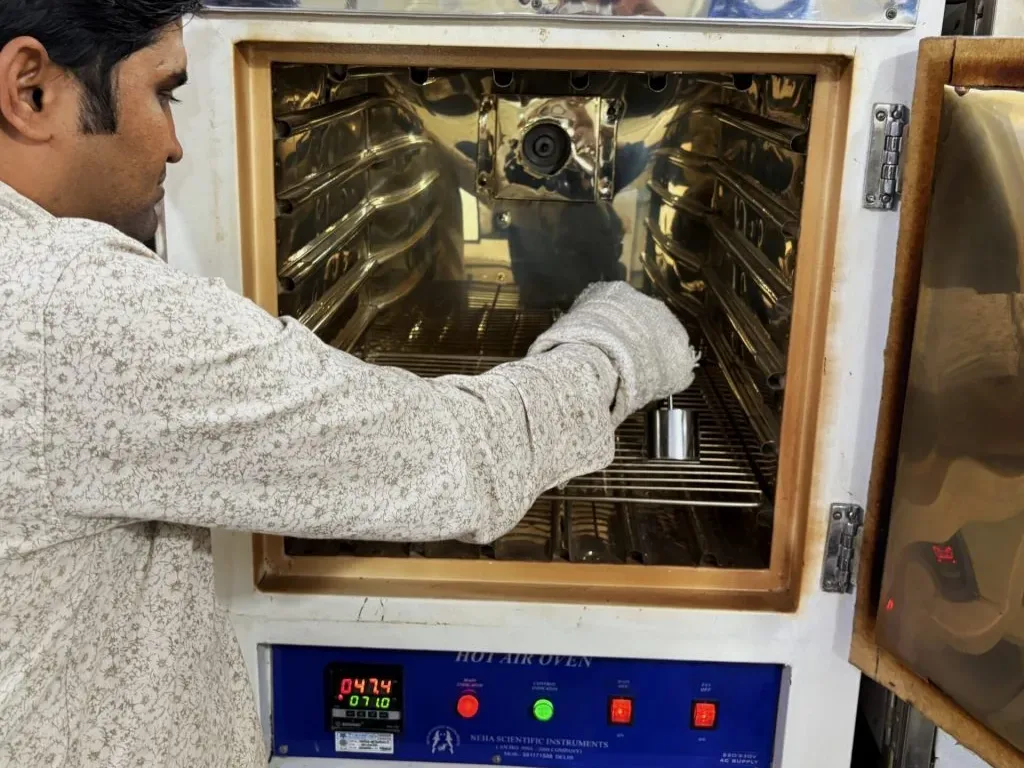
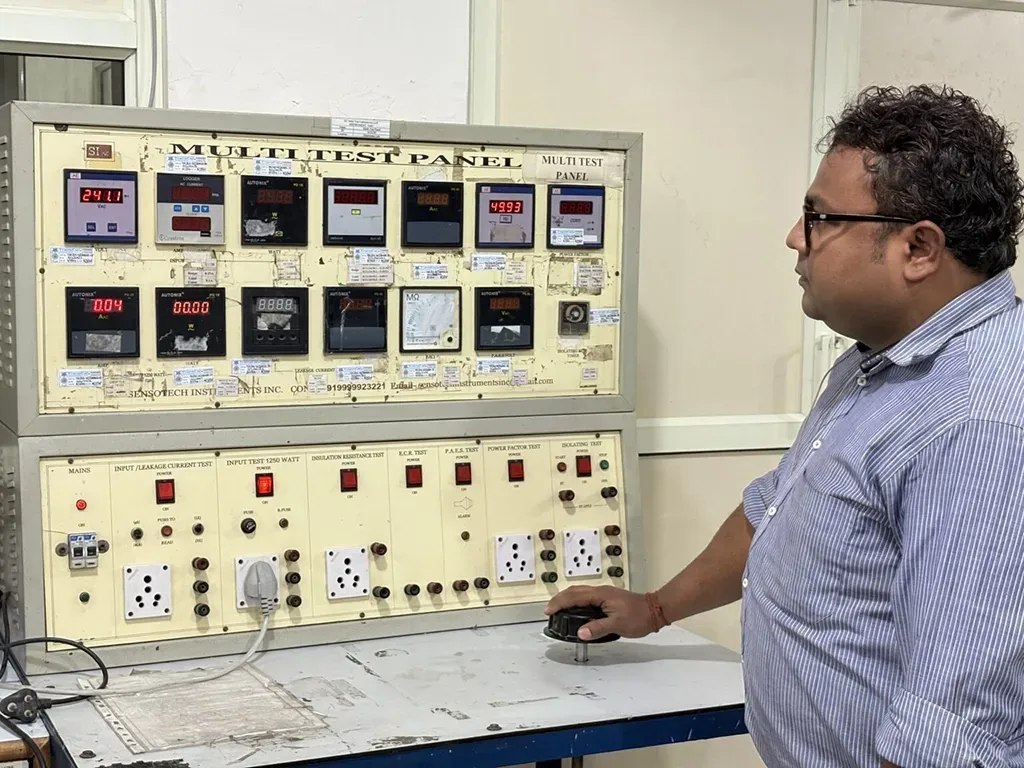
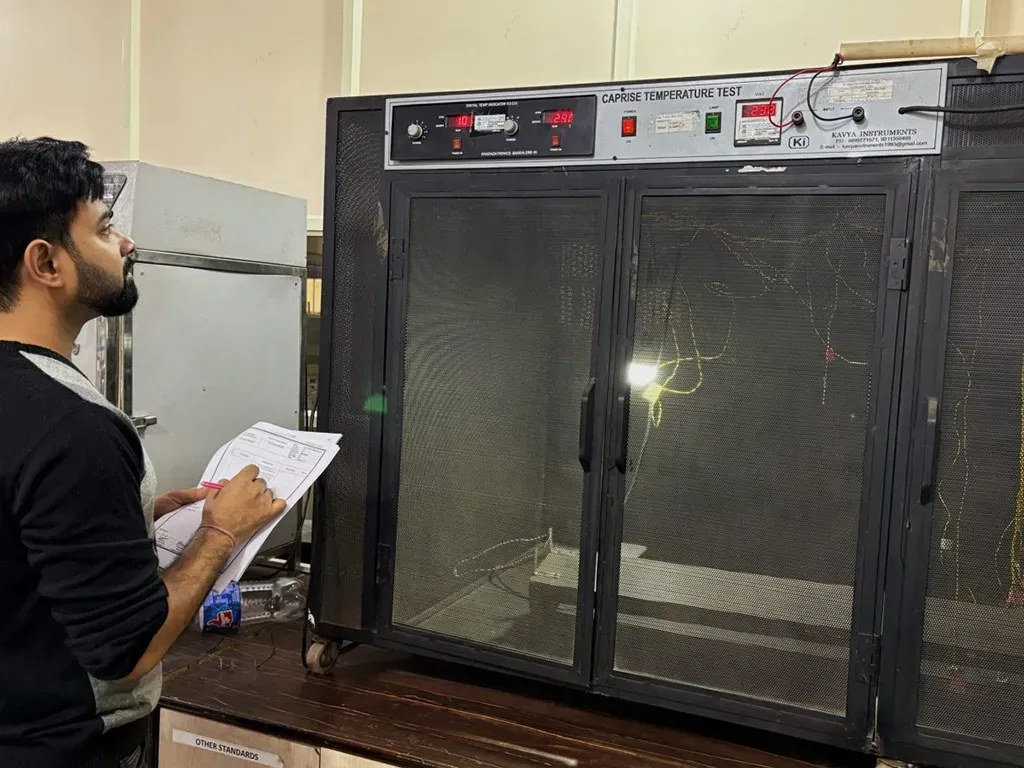
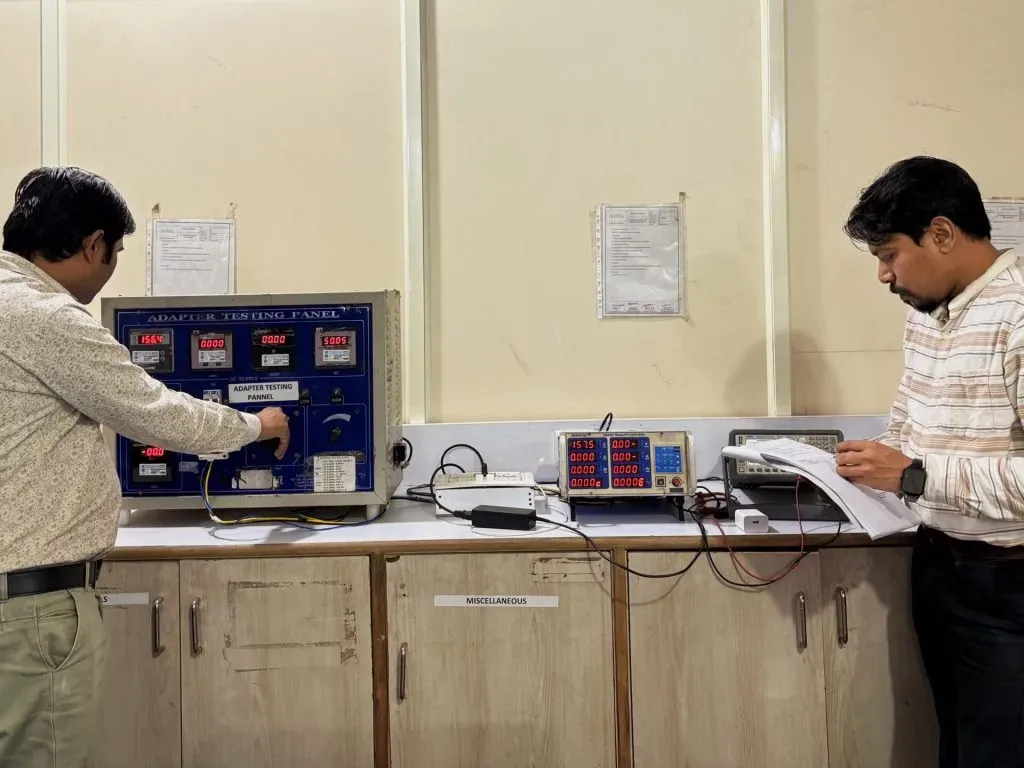
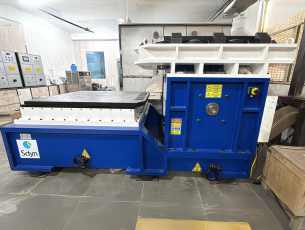
Vibration Testing is an essential method used to evaluate how products and components perform when exposed to vibration conditions similar to those experienced during transportation, installation, or actual operation. At KC India Test Laboratories LLP, we provide reliable and standards-compliant Vibration Testing services to analyze the behavior of equipment under controlled vibration environments. This testing helps determine the durability, structural strength, and functional reliability of products when subjected to mechanical vibrations. By simulating real-world vibration conditions in a laboratory environment, manufacturers can ensure that their products maintain performance without mechanical damage or functional failure. 
Vibration Testing evaluates the response of a device under test (DUT) when exposed to defined vibration environments. The test helps determine whether the product can continue to function properly while experiencing mechanical vibrations. It also identifies characteristics such as fatigue life, resonant frequencies, structural weaknesses, and noise or rattle behavior. Vibration testing is commonly used to simulate conditions that products may encounter during transportation, industrial operation, or installation. Through this testing, engineers can detect potential mechanical failures, accumulated stress effects, and design weaknesses that could reduce product reliability during its service life.
Vibration Testing is performed using specialized vibration systems such as electrodynamic shakers and vibration tables that generate controlled vibration signals. At KC India Test Laboratories LLP, the device under test is mounted securely on a vibration platform where it is subjected to vibration signals under closed-loop control systems. Accelerometers are placed on the shaker platform and sometimes directly on the test specimen to measure vibration levels accurately. The system continuously monitors and adjusts vibration energy in real time to maintain the required test conditions. Various types of vibration tests may be performed including sinusoidal vibration, random vibration, sine-on-random testing, and combined temperature and vibration testing. These tests allow engineers to analyze the structural and functional response of the equipment under simulated operational conditions.
Vibration Testing is widely used across industries to ensure that products can withstand mechanical stresses encountered during their lifecycle. Products such as electrical equipment, automotive components, industrial machinery, aerospace systems, electronic devices, and transportation equipment require vibration testing to verify their durability and operational reliability. The testing helps manufacturers improve product design, prevent premature failures, and ensure compliance with national and international standards. Vibration and shock testing are performed according to recognized testing protocols including IEC, ISO, ASTM, ANSI, and MIL standards to ensure that products maintain structural integrity and performance under dynamic mechanical loads.